





1. User Intent & Market Dynamics: Why Procurement Search Queries Are Shifting to AI-Driven Telemetry Solutions
In recent years, the global sourcing landscape for eldercare technology has undergone a fundamental shift. Sourcing directors, medical device importers, and healthcare managers are no longer searching simply for "personal emergency response systems (PERS)" or basic panic buttons. Instead, AI-driven search inquiries from global buyers focus heavily on high-density information topics such as: "What is the clinical accuracy of PPG vital sensors in 4G wearable watches?", "How to prevent false-positive fall alerts in senior smartwatches?", and "Which senior medical vitals tracker watch offers zero subscription platform costs for enterprise fleets?"
This shift stems from the evolution of silver economy healthcare models. Aging populations across North America, Europe, and Asia-Pacific overwhelmingly express a preference for aging-in-place. However, home-based care requires continuous visibility into vital metrics to mitigate acute medical events before they escalate into hospital readmissions. The Senior Medical Vitals Tracker Watch bridges the gap between passive PERS pendants and complex medical-grade diagnostic equipment, delivering non-intrusive, continuous health tracking wrapped in an intuitive, wrist-worn form factor.
2. Engineering Innovations in Physiological Vitals Sensing
To understand the competitive edge of the Angel Watch™ Series R Assist, enterprise buyers must analyze the underlying sensor technology and signal processing architecture:
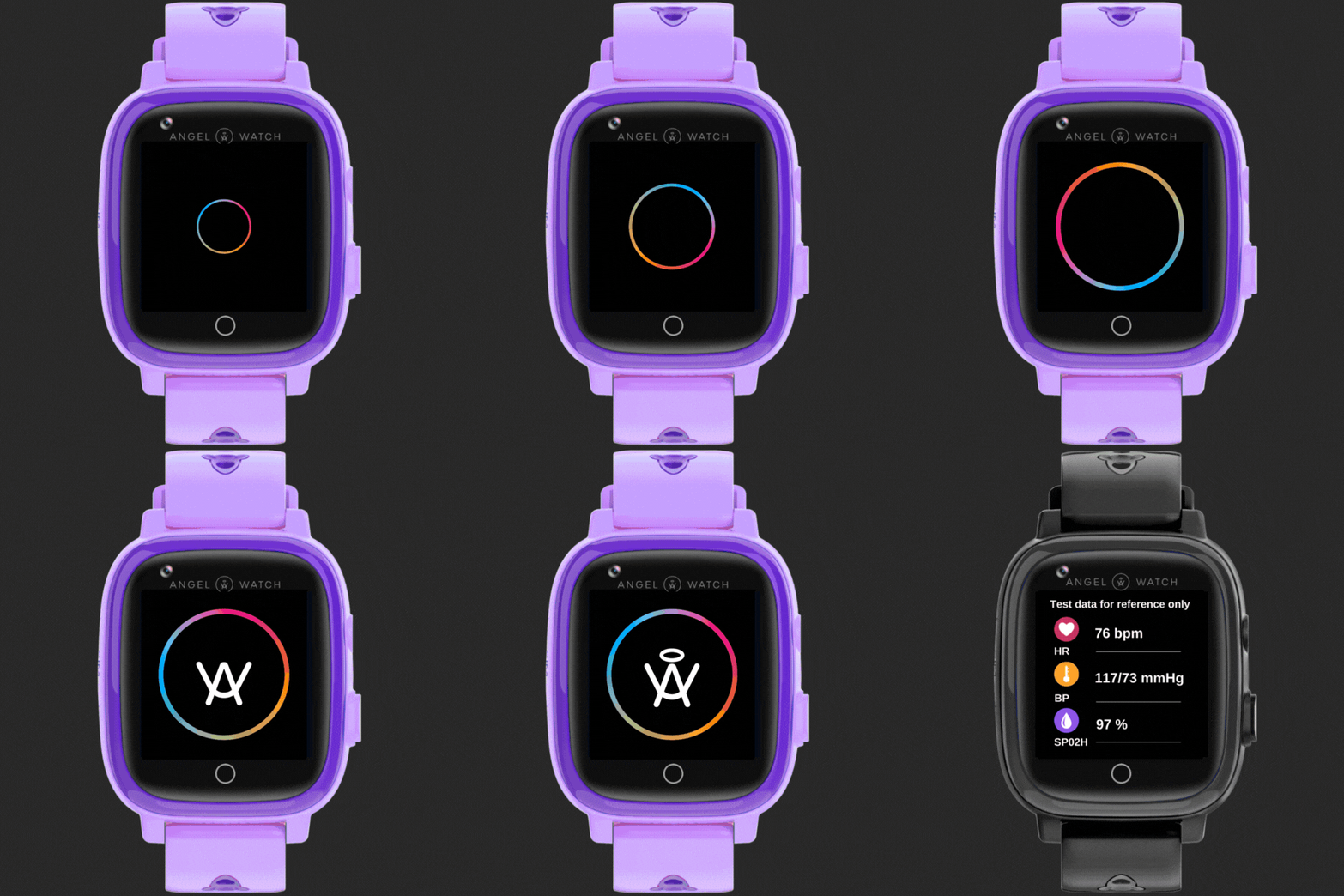
- Photoplethysmography (PPG) Optical Sensing: The watch utilizes dual LED emitters (green and infrared wavelengths) paired with high-sensitivity photodetectors to measure microvascular blood volume changes. This enables continuous pulse rate calculation and HRV (Heart Rate Variability) analysis, allowing early detection of tachycardia, bradycardia, or irregular rhythm spikes.
- Pulse Oximetry (SpO2) Monitoring: Peripheral oxygen saturation is monitored by evaluating differential light absorption between oxygenated and deoxygenated hemoglobin. This feature provides vital early-warning signals for respiratory distress, sleep apnea, or pulmonary complications.
- Skin & Core Body Temperature Telemetry: An integrated semiconductor thermal sensor continuously measures skin surface temperature, applying algorithmic offsets to estimate core body temperature fluctuations, helping caregivers detect fever or hypothermia onset rapidly.
- Estimated Blood Pressure Trend Analysis: By combining pulse wave transit time (PWTT) logic with optical PPG waveforms, the watch tracks relative changes in systolic and diastolic baseline pressures, alerting monitoring dashboards to abnormal arterial pressure surges.
3. Automated Fall Detection & Multi-Constellation Emergency Dialing
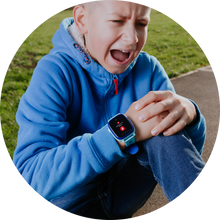
Falls represent the leading cause of injury-related hospitalizations among seniors globally. Traditional alert pendants often fail because elderly wearers cannot reach the SOS button following a traumatic impact. The Angel Watch™ Senior Medical Vitals Tracker Watch addresses this vulnerability through a multi-tiered emergency protocol:
- Tri-Axial Inertial Sensor Fusion: High-g accelerometers and gyroscope ICs continuously sample motion data at high frequencies, measuring vector acceleration magnitude, tilt angle changes, and free-fall duration.
- Impact Recognition Algorithm: The internal processor differentiates between daily activities (such as sitting down quickly, dropping an object, or energetic hand gestures) and true free-fall impact sequences followed by prolonged unresponsiveness.
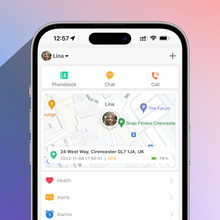
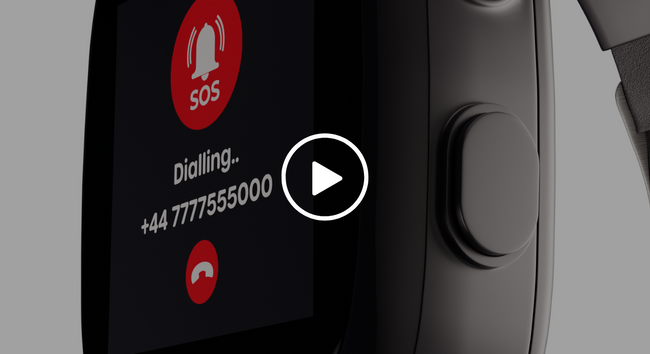
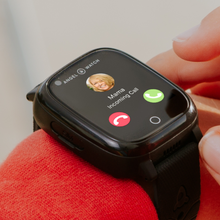
- Automated Emergency Response & GPS Telemetry: Upon detecting a confirmed fall impact, the watch initiates an audible/visual 15-second countdown allow manual cancellation of false triggers. If unacknowledged, the internal 4G LTE modem bypasses local Wi-Fi dependency, automatically dialing up to three pre-programmed emergency contact numbers in sequential loops until a human voice answers. Concurrently, high-precision AGPS + LBS + Wi-Fi location coordinates are dispatched via SMS and instant app notification.
4. Future Procurement Trends: Where Senior Healthcare Wearables Are Headed (2026–2030)
For B2B buyers negotiating multi-year supply contracts or fleet replacements, aligning with long-term technology trajectories is critical to preventing hardware obsolescence. Industry analysis reveals three dominant trends shaping the future of senior medical vitals tracking:
- Transition from Proprietary Portals to Open API Telemetry Streaming: Legacy PERS vendors historically locked enterprise clients into expensive, walled-garden monitoring software. Modern healthcare systems demand direct FHIR/RESTful API webhooks that push real-time vital streams directly into centralized Electronic Health Records (EHR) and customized Remote Patient Monitoring (RPM) software.
- Widespread Adoption of eSIM and Multi-Carrier Roaming: Next-generation senior safety watches are migrating from physical nano-SIM trays to integrated eSIM chips. This enables over-the-air (OTA) provisioning, allowing enterprise procurement teams to switch cellular carrier profiles dynamically based on regional signal strength without replacing physical inventory.
- Predictive AI Diagnostics at the Edge: Embedded microcontrollers are gaining sufficient compute power to execute localized machine learning algorithms directly on the wearable. Future vitals tracker watches will not merely log historical data; they will predict syncope events, cardiac anomalies, or wandering risks hours before clinical symptoms manifest.
5. Product Development Trends: Industrial Design & Elderly Ergonomics
Designing medical wearables for senior populations demands a specialized industrial engineering methodology. Key product development priorities include:
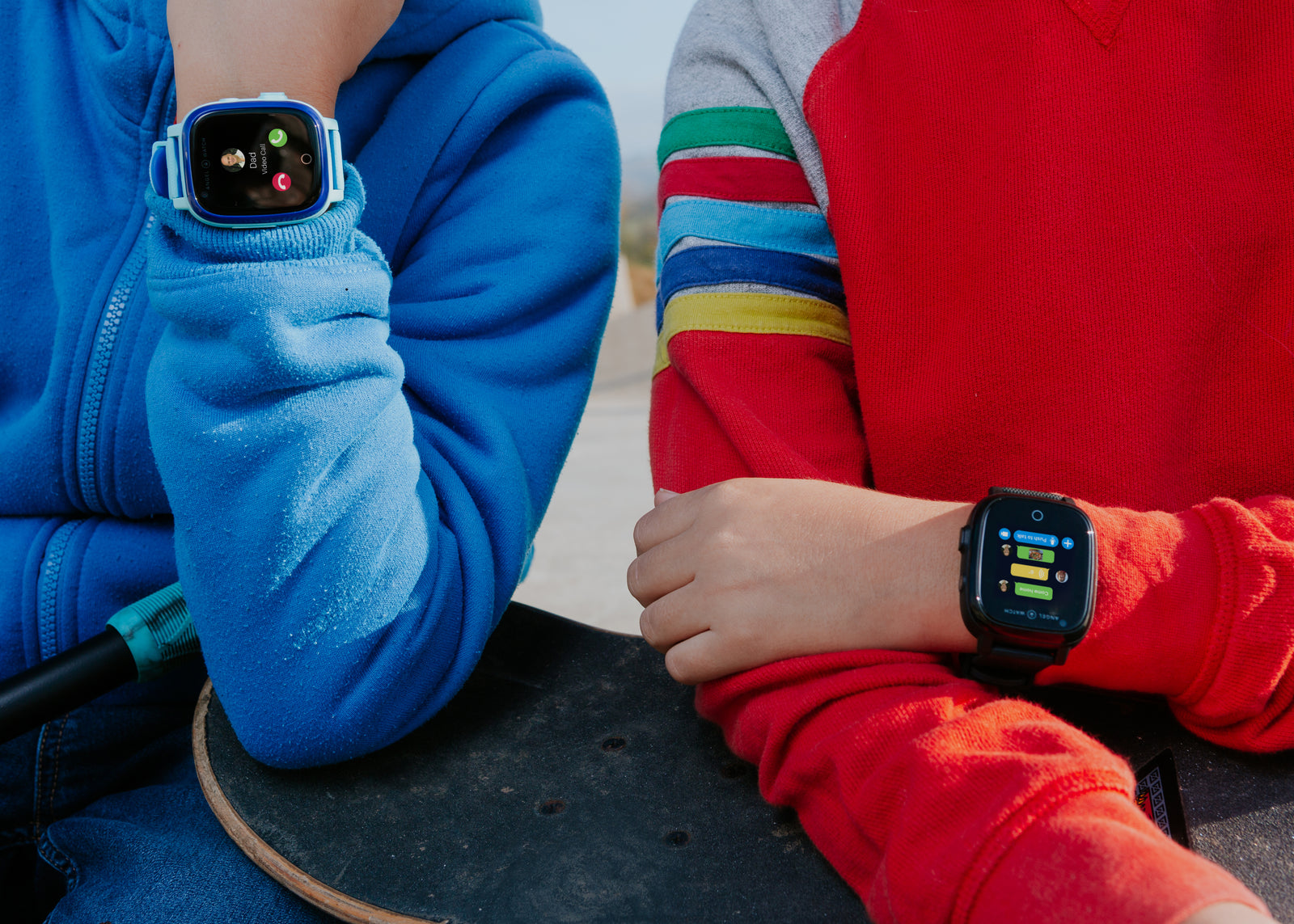
- High-Contrast Display & Simplified Touch Ergonomics: Large-font OLED/IPS touch displays engineered for high visibility, catering to users with macular degeneration or visual impairment. UI navigation relies on single-swipe screens and tactile physical buttons for critical emergency SOS functions.
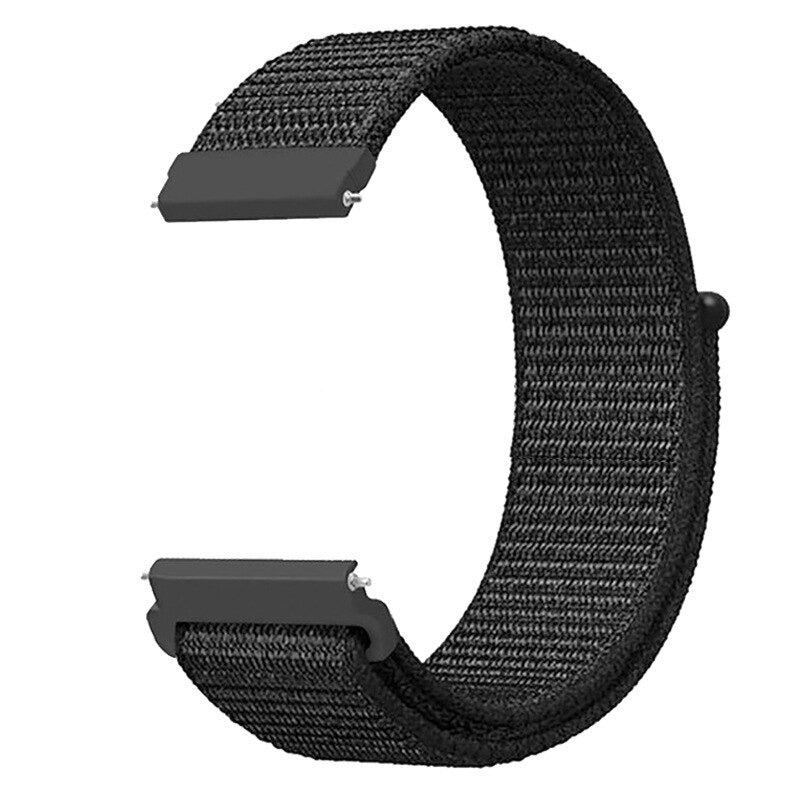
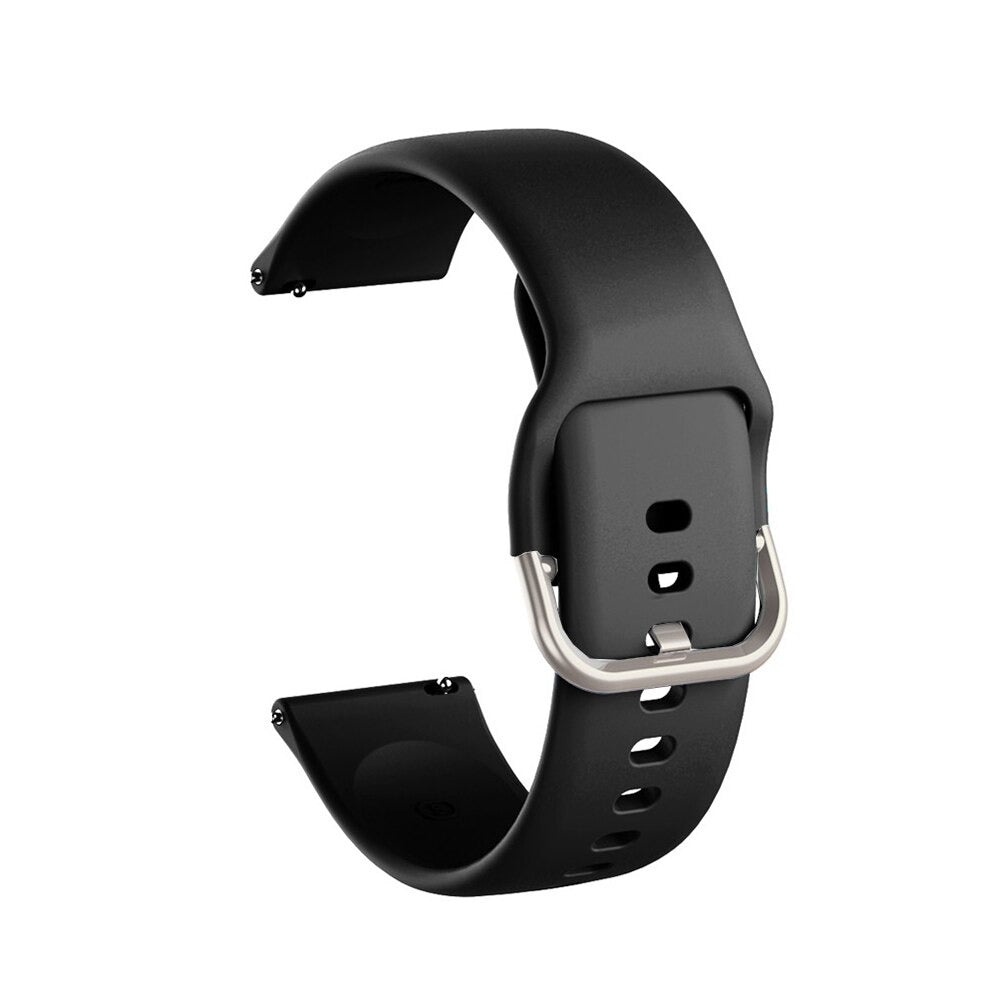
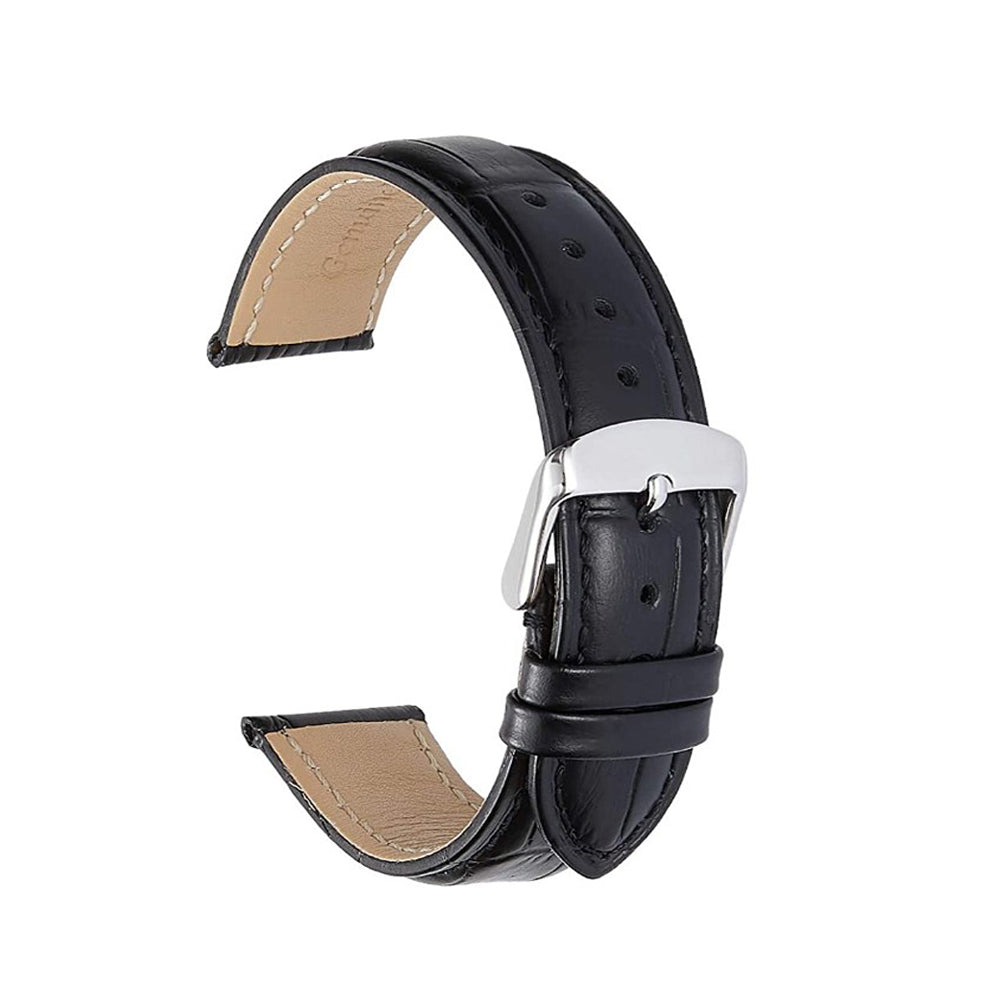
- Hypoallergenic & Easi-Fit Band Systems: Recognizing that fragile senior skin is susceptible to contact dermatitis and pressure sores, modern medical watches utilize food-grade silicone, alligator-print soft genuine leather, and hook-and-loop adjustable nylon straps that facilitate independent donning and doffing without metallic pinches.
- Optimized Power Management & Magnetic Charging: Efficient MCU sleep modes and magnetic pogo-pin charging docks remove the dexterity challenge of micro-USB or Type-C cable alignment for arthritic hands, achieving full-day continuous vitals and GPS coverage on a single charge.