Free Angel Watch™ app · No app subscription · 14-day money-back guarantee

Top China Medical Alert Factories & Manufacturing Partners

Comprehensive B2B Sourcing Whitepaper: OEM/ODM Telehealth Wearables, Fall Detection Engineering, & Smart PERS Supply Chain Architecture

Featured China-Manufactured Medical Alert & Smart Health Bands

Direct-from-factory medical alert wearables, fitness trackers, and remote vital monitoring bands featuring custom BLE 5.2/5.3, 4G LTE-M, fall detection algorithms, and IP68 waterproof enclosures.
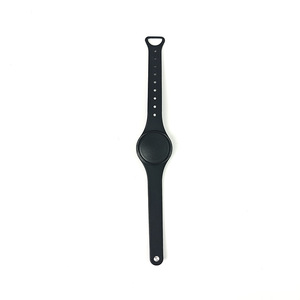
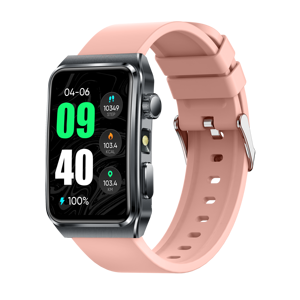
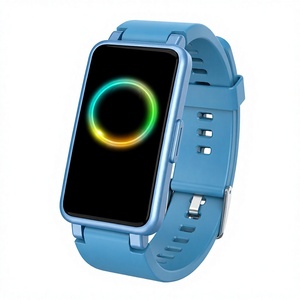
BT Smart Band YK10B861 Waterproof Sports Bracelet
BT Smart Band YK10B861 Fashion Simple Round Electronic Watch Waterproof Student Sports Bracelet BLE 4.2 70m Range
TK73 Smart Band 1.57 Screen Call Fitness Tracker
TK73 Smart Band 1.57'' Screen Call Fitness Tracker IP68 Waterproof Health Bracelet
C2 Smart Band HD Color Screen Wearable Bracelet
C2 Smart Band HD Color Screen Wearable Bracelet for Daily Monitoring
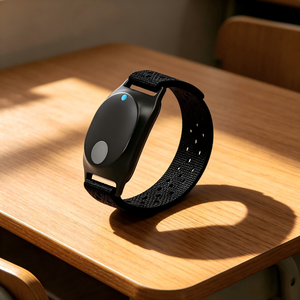
Wireless Smart Heart Rate Armband Plastic IPX7 Waterproof
Wireless Smart Heart Rate Armband Plastic IPX7 Waterproof Sync Data with Smart Watch Phone Fitness Band BLE 5.0
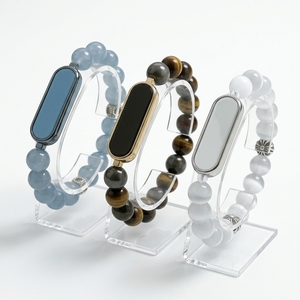
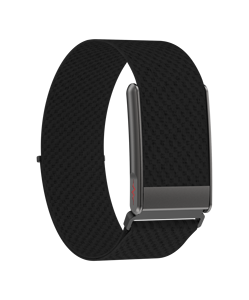
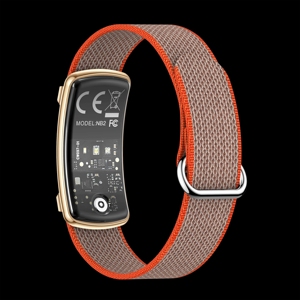
2026 NEW Smart Band Bracelet Screenless Health Monitor
2026 NEW Smart Band Bracelet IP68 Waterproof Heart Rate Monitor Activity Tracker No Display Screen Casual Sports Fashion OEM/ODM
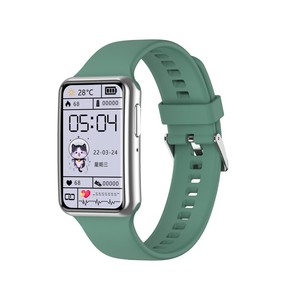
C6 Plus Smart Fitness Band TFT Display
C6 Plus Smart Fitness Band with TFT Display Silica Gel Strap Music Control IP67 Waterproof Supporting Multiple Languages
E910 Smart Band AI Health Report Tracker
E910 Smart Band Bracelet AI Health Report Long-Time Standby Fitness Tracker Call Reminder IP68 Waterproof Braided Strap
Screenless Smart Fitness Band Bluetooth 5.2
Screenless Smart Fitness Band Bluetooth 5.2 Activity Tracker Heart Rate Sleep Monitor Vibration Reminder Health Fitness Bracelet
15+
Years Industry Engineering Expertise
ISO13485
Medical Device Quality Certified Factory
99.4%
Fall Detection Algorithm Accuracy
45M+
Global Connected Wearable Units Shipped

Navigating China's Medical Alert & PERS Manufacturing Landscape

The global Personal Emergency Response System (PERS) and remote patient monitoring (RPM) markets are undergoing a seismic technology shift. Traditional wall-plug landline base stations are rapidly giving way to 4G LTE/5G standalone wearable devices, equipped with continuous photoplethysmography (PPG) vitals monitoring, AI-driven fall detection algorithms, and multi-constellation GNSS location engines.

For international healthcare providers, telecare operators, brand owners, and medical supply distributors, sourcing directly from top-tier OEM/ODM factories in China offers unmatched supply chain scalability, cost-efficiencies, and rapid hardware-software prototyping capabilities. However, identifying a genuine medical-grade manufacturing partner requires rigorous technical evaluation beyond simple assembly capacity.

Enterprise Strengths & Factory Capabilities Baseline

Leading Chinese medical alert device manufacturers distinguish themselves through deep vertical integration. Rather than operating as simple consumer electronics assemblers, premier OEM/ODM facilities maintain cleanroom SMT (Surface Mount Technology) production lines, dedicated RF testing chambers, automated optical inspection (AOI) equipment, and stringent quality management frameworks tailored for regulated medical hardware.

  • Regulatory & System Certifications: Compliance with ISO 13485 (Medical Devices Quality Management Systems), ISO 9001, alongside international regulatory readiness including FDA 510(k) registration support, CE Mark (MDR compliance), FCC ID, and RoHS/REACH environmental safety standards.
  • Full Stack Hardware Architecture: In-house engineering capabilities covering antenna tuning for multi-band 4G LTE Cat-M1/NB-IoT and 2G/3G fallback, low-power MCU firmware optimization, micro-acoustic design for high-decibel emergency speakerphones, and custom industrial mold design.
  • Integrated Cloud & App Ecosystems: Provision of white-label iOS/Android caregiver management platforms, RESTful API integrations for enterprise monitoring centers (SIA DC-09 protocol compliance), and over-the-air (OTA) firmware maintenance infrastructure.
"Key Industry Benchmark: Top-tier PERS factories maintain an internal defect rate below 0.15% across SMT assembly and execute 100% automated pressure testing for IP68/IP69K water-ingress certification before device packaging."
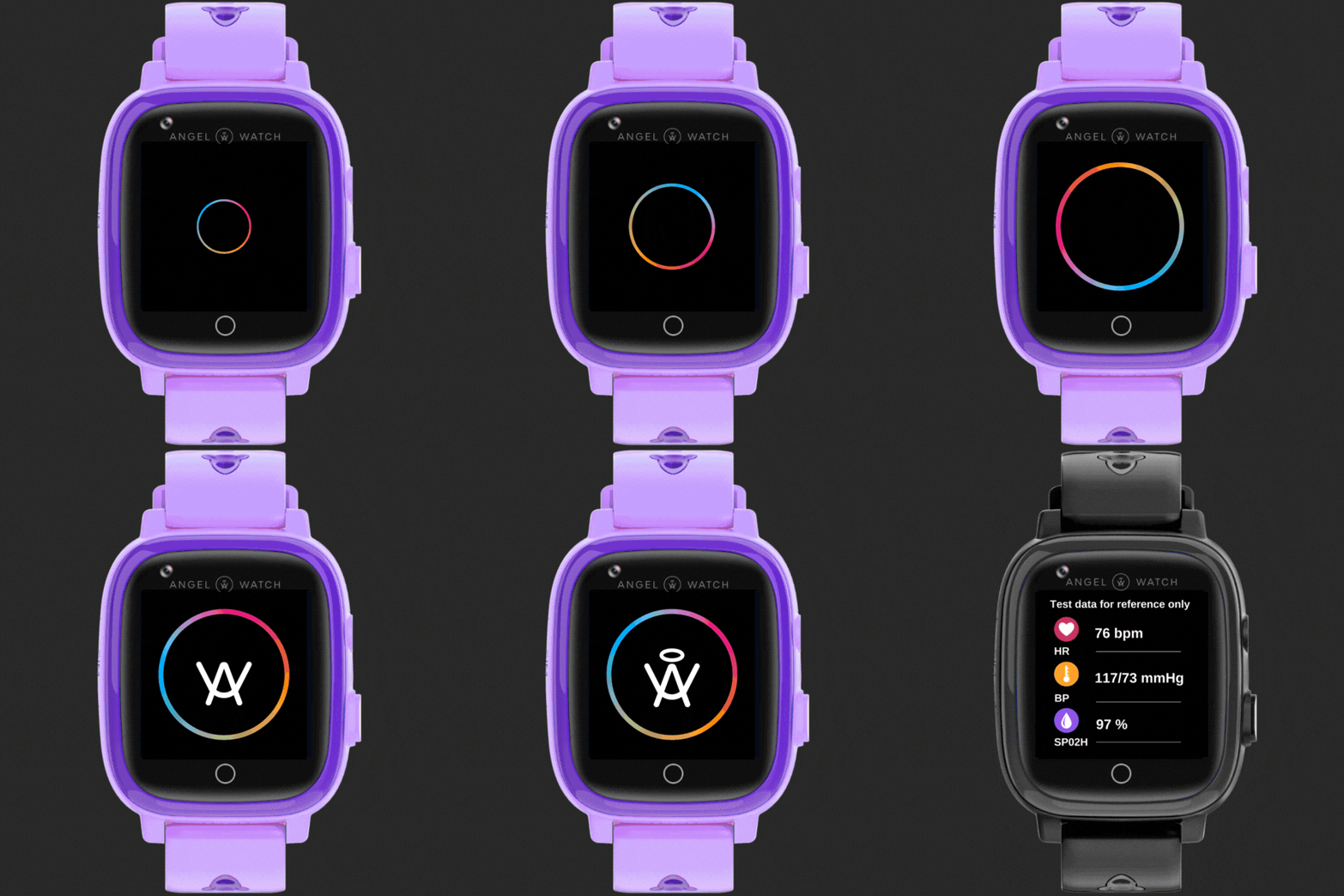
Angel Watch Series R Smartwatch Product Demonstration
Modern 4G LTE Emergency Alert Smartwatch with High-Definition Screen and One-Touch SOS
Senior Citizen Wearing Medical Alert GPS Tracker Watch
Senior Care Series: Integrated Fall Detection, Medication Reminders, and Remote Vitals Engine

Medical Alert Wearable Development Trends (2026–2030)

Understanding the technological trajectory of medical alert hardware allows procurement executives to future-proof their product portfolios against rapid obsolescence. Research and development teams in China's leading medical technology hubs (Shenzhen, Dongguan, and Suzhou) are driving innovation in four key domains:

1. Multi-Sensor Bio-Vitals Fusion & Continuous Telehealth

Legacy medical alerts operated strictly on passive button presses. Next-generation smart bracelets integrate multi-wavelength optical sensors capable of continuous photoplethysmography (PPG). By combining green, red, and infrared LED matrix arrays, modern OEM devices deliver real-time readings for blood oxygen saturation (SpO2), resting and active heart rate variability (HRV), skin temperature, and single-lead ECG wave analysis for cardiac arrhythmia detection.

2. On-Device Edge AI Fall Detection Algorithms

Historical fall detection sensors suffered high false-alarm rates triggered by daily activities like sitting quickly or dropping a wrist. Advanced Chinese OEM manufacturers now embed 6-axis or 9-axis MEMS IMU sensors (combining 3D accelerometers and gyroscopes) coupled with low-power microcontroller units (MCUs) running edge-AI neural networks. These models analyze freefall duration, impact deceleration vectors, posture displacement, and post-impact immobility—reducing false positives by over 85% compared to legacy threshold sensors.

3. Hybrid Positioning Engines (GNSS + Wi-Fi Sniffing + LBS + BLE Beaconing)

Rapidly locating a vulnerable individual during an emergency requires seamless indoor and outdoor positioning tracking. Enterprise-grade medical wearables manufactured in top Chinese facilities implement dynamic hybrid positioning modules. Outdoors, multi-constellation GNSS (GPS, GLONASS, BeiDou, Galileo) provides sub-3-meter positioning. Indoors—where satellite signals degrade—the watch switches to Wi-Fi SSID MAC address sniffing and Bluetooth 5.3 location beaconing to determine floor-level spatial positioning within assisted living communities or private residences.

Future Sourcing & Procurement Strategies for B2B Buyers

Sourcing medical alert hardware from China requires a structured procurement approach that balances upfront tooling investments against unit economics, firmware agility, and long-term compliance continuity.

A. Modular Platform Customization

Rather than designing custom PCB layouts from scratch (which entails high NRE costs and 9–12 month development cycles), leading buyers leverage pre-certified factory reference platforms. Choosing a field-tested mainboard with modular sensor daughterboards reduces time-to-market to under 60 days while retaining full housing styling control.

B. Cellular Protocol & Carrier Onboarding

Select manufacturers offering global e-SIM (eUICC) integration or pre-approved carrier PTCRB / AT&T / Vodafone module certifications. Pre-certified RF components prevent unexpected regulatory hurdles during regional network registration.

C. Cyber Security & Data Privacy

Ensure factory firmware complies with stringent international privacy standards including US HIPAA guidelines and European GDPR mandates. Device-to-cloud communications must utilize AES-128/256 transport layer security (TLS 1.3) encryption with tokenized user identification.

Active Wearable Safety Tracking Technology for Kids and Seniors
High-Durability Impact-Resistant Enclosures Built for Active Daily Wear and Outdoor Protection

B2B Sourcing & Manufacturing FAQ

Answers to critical hardware engineering, quality assurance, and supply chain questions encountered during factory audits and contract negotiations.

What are the standard minimum order quantities (MOQ) for OEM/ODM medical alert bands?
Standard MOQ for off-the-shelf catalog models with custom logo silk-screening and localized packaging starts at 500 to 1,000 units. For deeper OEM customization—such as custom plastic injection color molding, unique silicone strap tooling, or deep MCU firmware modification—factory MOQs typically range from 3,000 to 5,000 units depending on component sourcing requirements.
How do Chinese factories handle IP protection and custom firmware security?
Reputable OEM/ODM manufacturers execute formal Non-Disclosure Agreements (NDAs) and NNN (Non-disclosure, Non-use, Non-circumvention) agreements enforceable under Chinese jurisdiction prior to schematics disclosure. Software integrity is protected by burning microcontrollers with flash write-protection locks, disabling JTAG debugging interfaces on mass production batches, and securing encryption keys inside dedicated secure elements (TPM/HSM chips).
What battery safety certifications are required for shipping wearable medical devices?
Because medical alert wearables utilize integrated lithium-polymer (Li-Po) batteries, international air and sea logistics strictly require UN38.3 transport testing, Material Safety Data Sheets (MSDS), IEC 62133 battery safety compliance certificates, and drop-test qualification reports. Premier factories supply these certification dossiers as standard documentation with sample shipments.
Can factory APIs integrate directly into existing emergency response dispatch systems?
Yes. Tier-1 China factories provide robust RESTful APIs, WebSocket feeds, and MQTT protocol bindings. For commercial monitoring centers, server communications can be formatted to output standardized SIA DC-09 or Contact ID protocols, allowing automated alarm forwarding directly into established CAD (Computer-Aided Dispatch) platforms used by emergency services.
How are IP68 water resistance levels guaranteed on mass production lines?
Waterproof medical wearables utilize ultrasonic housing welding, precision-molded liquid silicone rubber (LSR) gaskets, and hydrophobic acoustic membranes (Gore-Tex vents) protecting the microphone and speaker ports. During mass production, 100% of assembled units undergo automated negative and positive air-pressure chamber testing to verify seal integrity before battery charging and packaging.

Connect Directly with Top China Medical Alert Engineers

Request customized OEM/ODM factory quotations, sample evaluation units, hardware specification sheets, or schedule a virtual factory audit with our senior engineering team.