

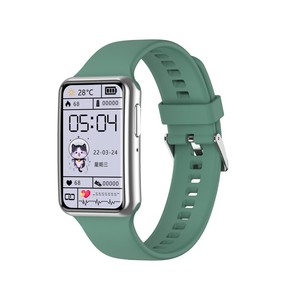
Engineering Next-Generation OEM/ODM Student Smartwatches
An in-depth industrial whitepaper examining hardware security, telecom integration, compliance frameworks, and manufacturing trends shaping the international youth smartwatch supply chain.
1. The Strategic Imperative of Specialized OEM/ODM Manufacturing
The consumer electronics industry has witnessed a dramatic divergence between general-purpose adult smartwatches and specialized student/youth wearables. Educational institutions and municipal school districts across North America, Europe, and the Asia-Pacific region have instituted stringent bans on unrestricted smartphones and open-ecosystem wrist devices within academic environments. This regulatory landscape has created an unprecedented global demand for specialized OEM/ODM student smartwatch manufacturers capable of engineering high-integrity, purpose-built cellular hardware.
As a premier original equipment manufacturer (OEM) and original design manufacturer (ODM), our R&D engineering ecosystem integrates end-to-end wearable hardware design, SMT surface-mount technology assembly, customized Android/FreeRTOS kernel development, and white-label IoT cloud platform management. By eliminating non-essential distraction engines—such as web browsers, open app stores, and social media platforms—we build dedicated safety lifelines that satisfy both parental connectivity demands and institutional compliance mandates.
2. Core Hardware Architecture & Telecom Engineering
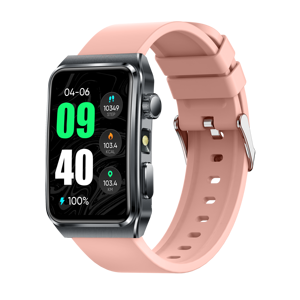
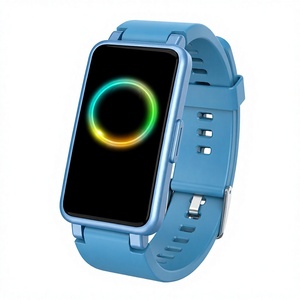
Engineering a high-performance student smartwatch demands strict thermal design parameters, efficient radio frequency (RF) antenna tuning, and optimized power management. Unlike standard Bluetooth bands, our 4G LTE IoT connected devices utilize low-power cellular basebands (including LTE Cat-1 and Cat-M1 networks) paired with multi-constellation GNSS engines (GPS, GLONASS, BeiDou, and LBS cell-tower triangulation).
Key architectural highlights integrated into our turnkey OEM platform include:
- Dual-Frequency L1+L5 GPS Modules: Delivers sub-meter location accuracy even in dense urban canyons and multi-story school buildings.
- Hardware-Level Geo-Fencing & Instant SOS Trigger: Microsecond alert dispatching triggered by dedicated side-key long-press logic, auto-dialing configured emergency contact chains.
- Distraction-Free Class Mode: Remote cloud-controlled lock states that disable display interactions during school hours while maintaining background emergency positioning.
- Child-Safe Li-Po Battery Chemistry: High-density, flame-retardant battery cells equipped with dual IC protection circuits against overcharging, deep discharge, and thermal runaway.
3. Regulatory Compliance: COPPA, GDPR, and SAR Safety Standards
Navigating global market entry for youth electronic wearables requires strict adherence to international regulatory frameworks. Partnering with an experienced OEM smartwatch factory ensures your products meet regional certification thresholds prior to mass production:
| Regulatory Body / Standard | Geographic Region | Compliance Mandate & Implementation Detail |
|---|---|---|
| COPPA (Children's Online Privacy Protection) | North America (USA) | Enforces strict data minimization, encrypted cloud storage, parental consent workflows, and explicit prohibition of third-party ad tracking. |
| GDPR Article 8 (Child Data Protection) | European Union (EU) | Requires end-to-end AES-256 server encryption, local EU cloud hosting options, and right-to-be-forgotten data purging protocols. |
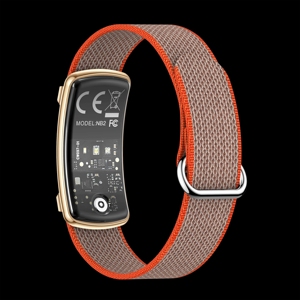
| FCC & CE SAR Limits (Specific Absorption Rate) | Global / USA / EU | RF exposure compliance ensuring head and wrist SAR levels remain well below the 1.6 W/kg (FCC) and 2.0 W/kg (CE) safety boundaries. |
| RoHS & REACH Compliance | Global / EU | Guarantees skin-contact materials, silicone straps, and metal backplates are 100% free of heavy metals, phthalates, and allergenic nickel. |
4. Emerging Procurement & Future Development Trends (2026–2030)
To maintain a competitive edge, volume importers, retail brand owners, and educational supply partners must align their sourcing strategies with key technology trends shaping the smart wearable landscape:
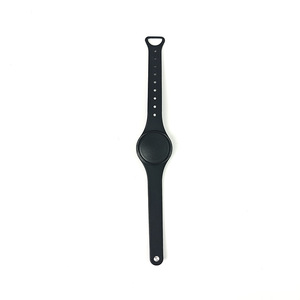
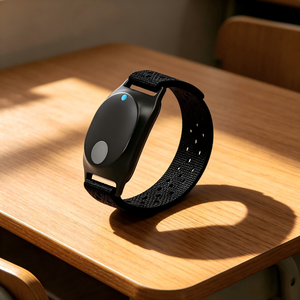
Screenless & Minimalist Form Factors
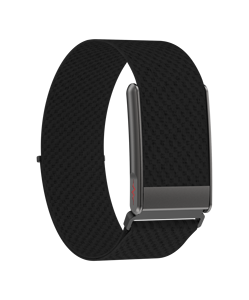
Screenless fitness bands (such as screenless BLE 5.2 activity trackers) represent the fastest-growing segment for younger students. Eliminating the display drastically reduces distraction, increases battery life up to 14 days, and lowers manufacturing BOM costs.
AI-Driven Health & Vitals Monitoring
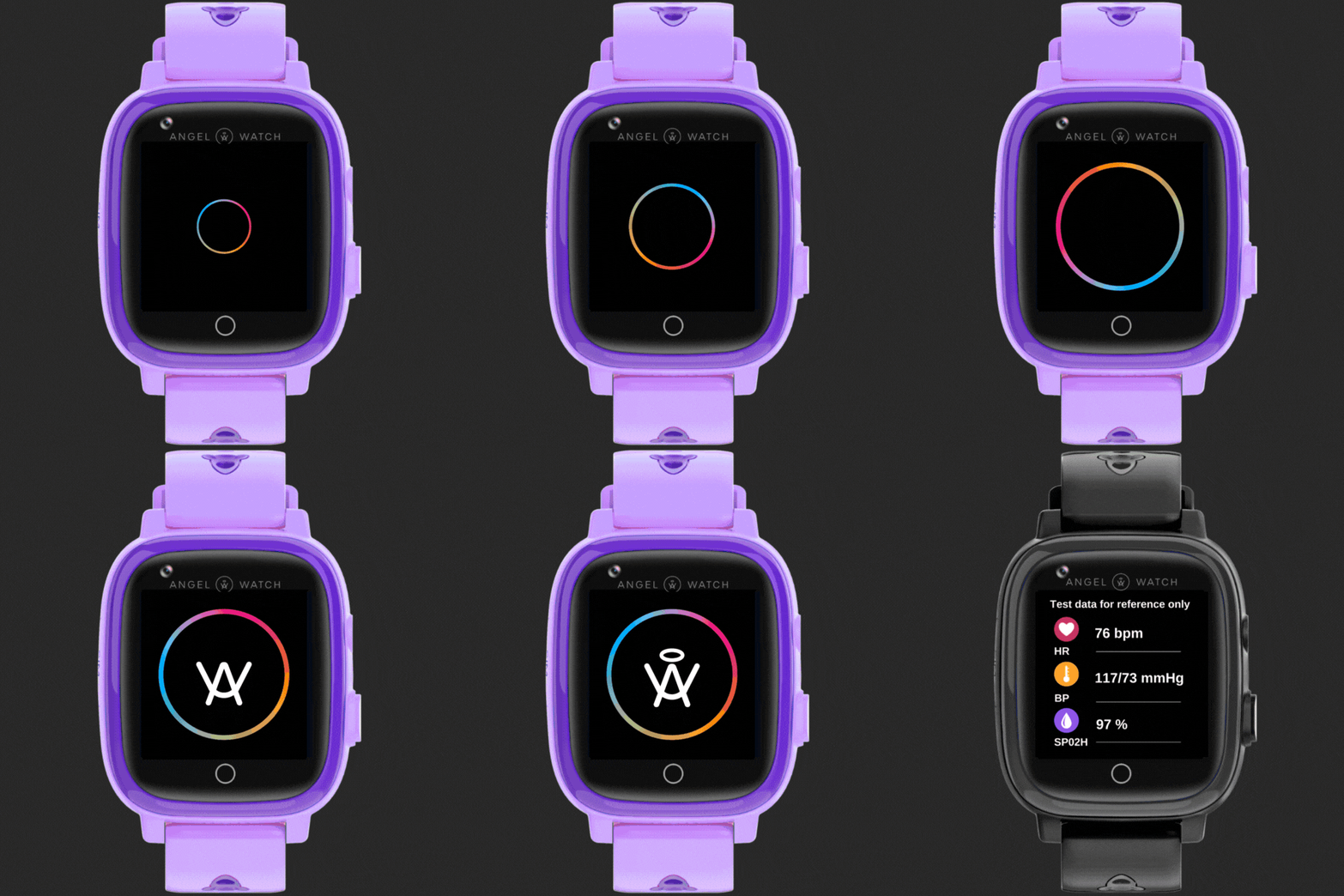
Integration of edge AI algorithms allows real-time health anomaly detection, optical PPG heart rate tracking, continuous body temperature monitoring, and biometric stress analysis—delivering institutional-grade safety data to parents and administrators.
eSIM & Zero-Touch Enterprise Provisioning
Transitioning from physical nano-SIM trays to embedded eSIM chips simplifies international distribution, enhances IP68 water resistance, and enables over-the-air (OTA) cellular carrier profile switching without hardware modification.

5. Enterprise Manufacturing Infrastructure & Quality Control
High-reliability hardware requires stringent factory Quality Assurance (QA). Our automated manufacturing workflow enforces 100% testing across all production stages:
- Automated SMT Inspection: 3D SPI (Solder Paste Inspection) and AOI (Automated Optical Inspection) ensure zero cold-solder joints on micro-BGA components.
- Acoustic & Waterproof Chamber Testing: Positive/negative air pressure testing verifies IP67/IP68 sealing for every single chassis prior to final packaging.
- RF Transceiver Calibration: Agilent wireless testers calibrate cellular TX/RX gain, ensuring optimal signal reception across 4G bands worldwide.
- Accelerated Life Testing (ALT): Environmental chamber stress testing, button-cycle endurance tests (50,000 presses), and drop-impact tests from 1.5 meters.