Direct-from-factory OEM/ODM wearables optimized for continuous clinical telemetry, eldercare safety, and real-time vital signs monitoring.
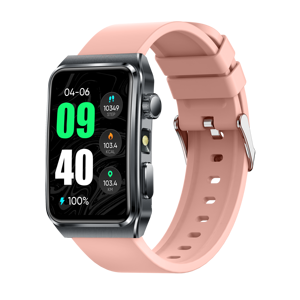
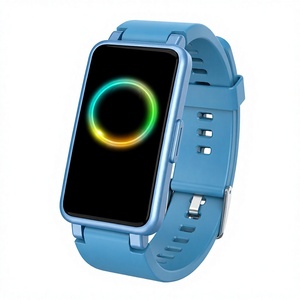
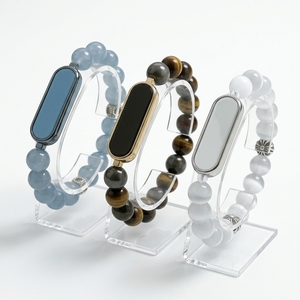
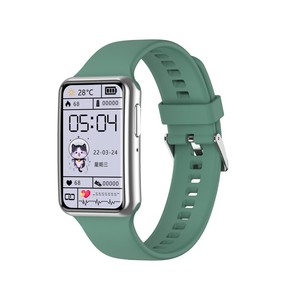
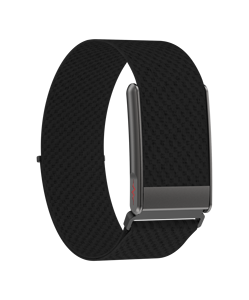
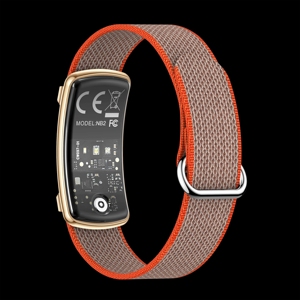
In the rapidly transforming global healthcare ecosystem, the demand for high-reliability Remote Patient Monitoring (RPM) and continuous biosensor tracking has shifted from a convenience to a critical medical necessity. Enterprise healthcare providers, medical device OEMs, hospital networks, and pharmaceutical clinical trial operators require bespoke wearable hardware capable of collecting medical-grade physiological telemetry without compromising patient comfort or data privacy. As a premier original equipment manufacturer (OEM) and custom ODM solutions provider, our engineering framework solves the fundamental challenges of modern patient tracking: biometric accuracy, continuous battery autonomy, secure multi-protocol connectivity, and seamless API integration into electronic health record (EHR) systems.
Traditional patient monitoring relied heavily on tethered bedside monitors or consumer-grade smartwatches that suffer from frequent battery depletion, non-compliant data pipelines, and high user distraction due to unvetted apps and social features. Modern clinical procurement strategies prioritize dedicated, distraction-free wearable devices engineered specifically for remote patient telemetry. By eliminating third-party web browsers and unverified software ecosystems, custom patient trackers drastically reduce device failure rates while enforcing strict regulatory compliance (including HIPAA, GDPR, and ISO 27001 data security standards).
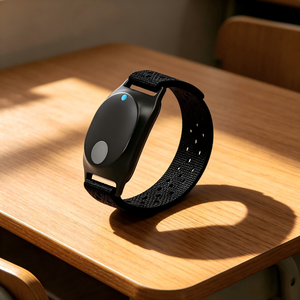
Furthermore, the physical operational conditions in hospitals, rehabilitation centers, and senior care institutions demand robust enclosures. Our OEM patient trackers feature IP68-rated immersion sealing, ultrasonic casing welds, and anti-microbial biocompatible silicone or braided nylon straps. These design choices ensure that devices withstand continuous daily wear, accidental fluid exposure, and industrial-grade chemical sanitation routines without signal degradation or casing erosion.
At the core of our custom patient tracker platform is an advanced multi-modal sensor matrix integrated directly into low-power ARM Cortex microcontrollers. Modern clinical workflows necessitate precise measurement of vital metrics:
A persistent operational friction point for healthcare facilities is signal loss during patient transport or home monitoring transitions. To guarantee uninterrupted data pipelines, our OEM patient tracker hardware supports a scalable multi-tier wireless architecture:
| Technology | Primary Use Case | Range / Coverage | Data Throughput | Power Consumption |
|---|---|---|---|---|
| BLE 5.2 / 5.0 (Bluetooth Low Energy) | In-clinic ward gateway sync, home medical hub pairing | Up to 70m (Line of Sight) | 2 Mbps (High Efficiency) | Ultra-Low (< 5mA peak) |
| 4G LTE Cat-M1 / NB-IoT | Outpatient post-discharge monitoring, senior safety tracking | Global Cellular Networks | 64 kbps - 1 Mbps | Adaptive Power Management |
| Wi-Fi & LBS Positioning | Indoor Real-Time Location Systems (RTLS) in hospitals | Building-wide Access Points | Medium | Optimized Burst Mode |
| GPS / GLONASS / BeiDou | Outdoor emergency SOS, geo-fencing for dementia care | Global Satellite Direct | Real-Time Coordinates | Duty-Cycled Geofence Sync |
As healthcare systems scale remote care delivery, B2B procurement officers must evaluate suppliers based on emerging technological trajectories over a 3-to-5-year horizon:
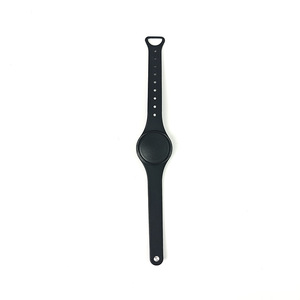
A. Transition to Screenless & Distraction-Free Form Factors: Clinical trials and long-term care facilities are increasingly standardizing on screenless smart bracelets (such as our Screenless BLE 5.2 Smart Fitness Band). Removing the display eliminates patient screen fatigue, drastically reduces physical breakage, eliminates accidental setting modifications, and extends battery cycle life up to 21+ days per charge.
B. AI-Driven On-Device Anomaly Detection: Machine learning models trained on millions of biometric data points are being compiled directly into MCU flash memory. These edge-AI models establish a baseline for individual patient vitals and identify sub-clinical anomalies hours before traditional symptom onset, pushing preemptive alerts to care coordinators.
C. Open SDK & White-Label Cloud Ecosystems: Closed proprietary software stacks present massive integration barriers. Modern enterprise buyers require hardware vendors to provide open C-SDKs, Android/iOS mobile wrapper libraries, and direct MQTT/HTTP RESTful payloads for seamless ingestion into systems like Epic, Cerner, or custom AWS/Azure HIPAA health clouds.
From initial circuit design to global logistics dispatch, we provide medical hardware brands and healthcare networks with unmatched manufacturing agility.
Complete control over broadcast intervals, BLE UUID parameters, raw sensor data streams, and server endpoint destinations. Zero platform lock-in.
Get a QuoteManufactured in dust-free cleanroom facilities adhering to ISO 13485 quality management systems, with full support for CE, FCC, RoHS, and FDA testing.
Get a QuoteRapid 3D modeling and custom plastic injection tooling. Customize strap textures, pantone casing colors, laser-engraved branding, and unique form factors.
Get a QuoteEssential technical and commercial insights for sourcing custom patient tracking wearables.
Our standard MOQ for baseline white-label hardware custom branding (logo silk-screening, custom packaging, standard firmware tweaks) starts at 500 units. For full ODM hardware modifications (custom SMT PCB layout, specialized sensor integration, or new mold injection tooling), the typical MOQ is 2,000 to 5,000 units depending on component specifications.
Yes. We provide comprehensive, developer-ready iOS and Android SDKs, BLE API documentation, and standardized JSON/MQTT data packet structures. Your software development team can ingest real-time heart rate, SpO2, skin temperature, step count, and fall alarm events directly into your existing cloud application without paying monthly subscription fees to third-party platforms.
Our patient trackers function as dedicated, secure hardware endpoints. Data transmitted over Bluetooth 5.0/5.2 utilizes AES-128 encryption. Cellular models communicate directly with your private server via secure SSL/TLS channels or VPN tunnels. Because our devices do not contain unverified third-party app stores or web browsers, attack surfaces are minimized, making them fully compatible with HIPAA and GDPR data governance frameworks.
Battery longevity depends on sensor polling frequency and connectivity protocols. Screenless BLE models (like the BLE 5.2 Screenless Smart Fitness Band) can achieve 14 to 30 days of continuous monitoring on a single charge. Color display 4G LTE models typically offer 24 to 72 hours under active GPS duty-cycling and frequent video or voice contact protocols. Custom battery capacity engineering is available during the ODM design phase.
Our manufacturing lines operate under strict ISO 13485 certification. Standard production units comply with international regulatory standards including CE, FCC, RoHS, and REACH. Biocompatibility testing (ISO 10993) is performed on skin-contact materials to prevent allergic reactions or irritation during prolonged patient usage.
Pre-production sample units with stock enclosure configurations and customized firmware can be delivered within 7 to 14 business days. Full custom mold tooling and hardware development cycles generally require 30 to 45 days for functional engineering validation samples (T1 samples), followed by 25 to 30 days for mass production upon sample approval.
Consult directly with our senior hardware engineers and solution architects. We offer white-label sample kits, SDK evaluation packages, and transparent OEM quotation frameworks.