Enterprise-grade smart bands, cellular watches, and health monitoring wearables available for OEM/ODM export.
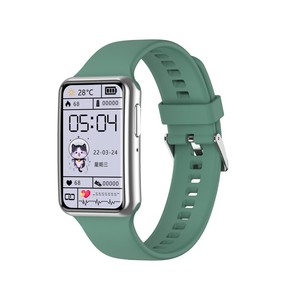
The global smartwatch and smart band market has entered a pivotal transformation phase. Demand is rapidly transitioning from basic tethered Bluetooth accessories to standalone 4G LTE-enabled wearable IoT nodes. B2B importers, telecommunication operators, and brand owners sourcing from China require far more than high-volume manufacturing; they demand architectural expertise across multi-band RF engineering, carrier network certification (AT&T, T-Mobile, EE, Vodafone), and specialized firmware security.
China's smart band and smartwatch manufacturing ecosystem leads this evolution, supplying over 80% of global IoT wristwear. By integrating low-power Cat-1 LTE chipsets, advanced optical PPG biosensors, multi-constellation GNSS (GPS/LBS/Wi-Fi positioning), and customized Android/RTOS operating systems, top-tier Chinese original equipment manufacturers (OEMs) provide unmatched economies of scale alongside rigorous E-E-A-T compliance.
4G LTE Cat-1/Cat-4 integration allows direct voice calls, HD video streaming, and real-time positioning without requiring a paired smartphone connection.
Specialized Android/RTOS ROMs engineered specifically for vulnerable demographics (children and seniors), enforcing app store restrictions, web-browsing blocks, and strictly whitelisted contacts.
High-precision PPG sensors measuring continuous pulse, blood oxygen (SpO2), skin temperature, and multi-axis accelerometers for dynamic fall detection alerts.
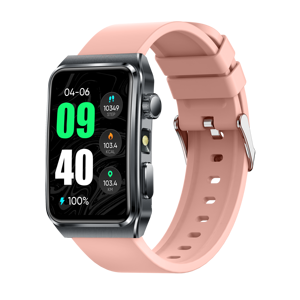
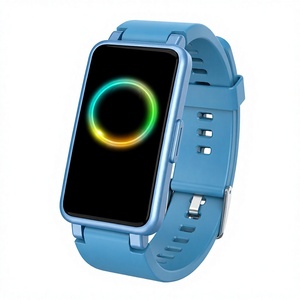
To assist global procurement directors, hardware engineers, and brand strategists in selecting the appropriate wearable architecture, the following engineering matrix details technical attributes across standard smart bracelets, advanced 4G child trackers, and senior medical-alert smartwatches.
| Specification Category | Entry-Level Smart Band | 4G Kids Safety Smartwatch | Senior Medical Alert Watch |
|---|---|---|---|
| Primary Connectivity | BLE 4.2 / 5.0 / 5.2 | 4G LTE Cat-1 + Wi-Fi + GPS | 4G LTE Cat-4 + Wi-Fi + BLE |
| Positioning Engine | Smartphone Assisted GPS | GPS + LBS + Wi-Fi Triangulation | Multi-Constellation GNSS + Safe Zones |
| Emergency Features | App Notification Alert | One-Touch Sequential SOS Dialing | Automated Fall Detection & SOS |
| Health Monitoring | Basic PPG Heart Rate & Sleep | Body Temperature & Step Tracking | HR, SpO2, Blood Pressure, Temp, PPG |
| Water Ingress Rating | IP67 / Everyday Splashproof | IP68 Waterproof (Rain/Washing) | IP67 / IP68 Sealed Structure |
| OS & Content Restrictions | Embedded Microcontroller RTOS | Closed Safe OS (No Browser/Games) | Senior Accessibility OS + Reminders |
As smart wearables evolve from casual consumer novelties into specialized tools for personal safety, clinical health tracking, and remote family connectivity, enterprise buyers must align their product roadmaps with emerging technological shifts.
Traditional physical Nano-SIM trays are rapidly giving way to embedded SIM (eSIM) and Soft-SIM architectures. This shift enhances water ingress protection (enabling true IP68/5ATM sealing) while allowing end-users to activate mobile plans digitally over-the-air.
Next-generation smart bands feature multi-wavelength optical sensors paired with edge-AI algorithms. Machine-learning models interpret heart rate variability (HRV), continuous blood pressure trends, and sleep apnea indicators with near-clinical accuracy.
The adoption of LTE Cat-1 BIS microchipsets drastically reduces baseband power draw, extending standby times for 4G wearables from 24 hours to up to 5–7 days without inflating battery physical dimensions.
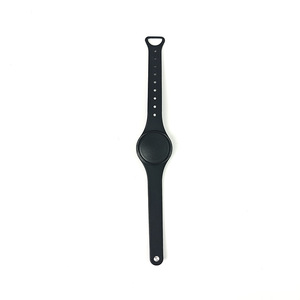
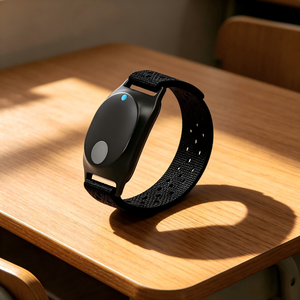
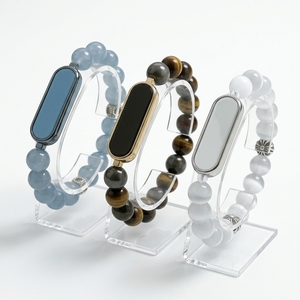
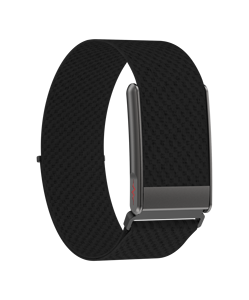
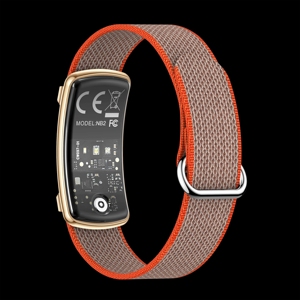
Form-factor diversification is growing. Screenless smart bracelets and woven fabric armbands cater to users seeking continuous health monitoring without screen digital fatigue or fragile glass displays.
Global regulatory bodies are tightening data privacy requirements for child wearables (COPPA in the US, GDPR-K in Europe). OEM suppliers must provide end-to-end encrypted cloud pipelines and zero-data-mining guarantees.
Medical alert smartwatches are integrating directly into B2B care management platforms via standardized HL7 FHIR APIs, allowing care centers to monitor vitals and fall alerts in real time.
Our manufacturing and engineering ecosystem bridges the gap between innovative product design and high-volume, reliable mass production. Modeled after world-class wearable technology standards—such as the trusted Angel Watch™ infrastructure operating across North America and Europe—our facilities adhere to stringent global quality protocols.
From custom PCB layout and RF antenna tuning (4G/LTE/GPS/Wi-Fi/BT) to tooling injection mold design, our engineering teams provide complete turnkey manufacturing solutions tailored to your brand's technical specifications.
We deliver fully white-labeled iOS and Android applications accompanied by customized watch operating systems. Features include language localization, custom startup logos, server endpoint migration, and carrier auto-APN configuration.
Every device undergoes 100% automated optical inspection (AOI), SMT placement verification, pneumatic waterproofing pressure testing, battery cycle degradation tests, and drop impact simulation prior to export.
Supported by regional fulfillment partnerships in key strategic markets (including USA and UK warehouses), we facilitate rapid DDP dispatch, managed custom clearance, and localized spare part replacement pipelines.
Essential insights for B2B buyers, distributors, and OEM brand managers sourcing smartwatches from China.
Transform your wearable product roadmap with industry-leading 4G LTE technology, specialized biosensing architectures, and certified global supply chain capabilities.