Free Angel Watch™ app · No app subscription · 14-day money-back guarantee
0%

Choosing a Waterproof Kids Smartwatch Series R requires more than checking its waterproof label. Parents need practical protection, dependable communication, and age-appropriate design. The global wearable technology market continues expanding, although estimates vary by research firm. IDC reported worldwide wearable device shipments reached 611.5 million units in 2023. Counterpoint Research also identified children’s smartwatches as a growing niche within connected wearables. These figures suggest rising demand, not automatic product quality.

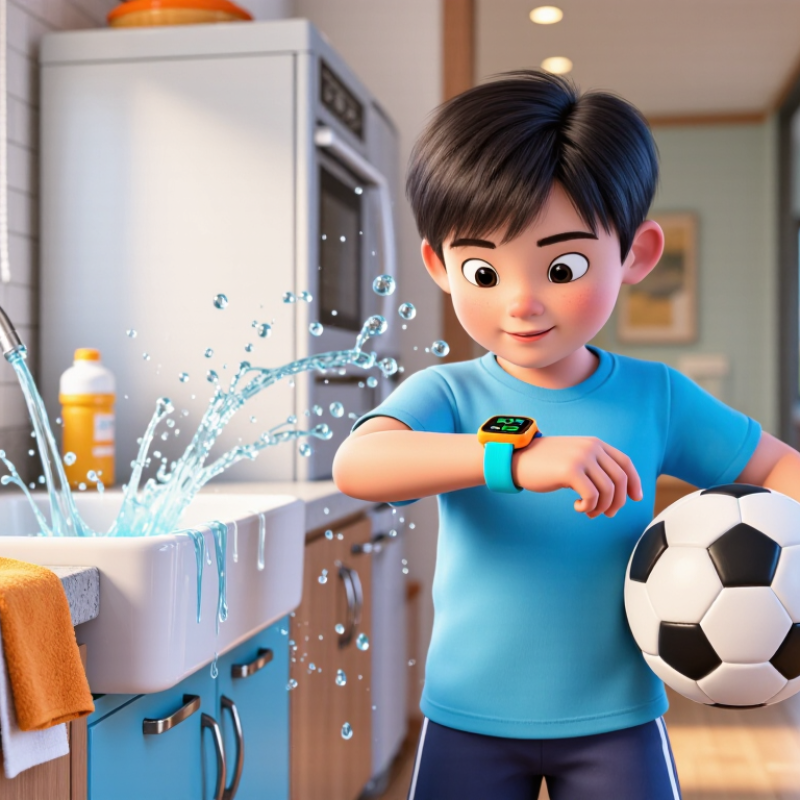
The Waterproof Kids Smartwatch Series R is designed for active daily routines. A child may splash water near a sink, sweat during football practice, or walk home during light rain. Its water-resistant construction can support these moments, but parents should still check the stated rating. Waterproof is not always permanent. Seals can weaken after drops, repairs, or chemical exposure.

David McQueen, Research Director at ABI Research, has emphasized, “Wearables must deliver meaningful value, not simply add another screen.” That principle matters here. A useful children’s smartwatch should offer clear calling, location features, battery visibility, and simple controls. It should not overwhelm a child with unnecessary functions. Privacy settings also deserve careful review.

The series may suit families seeking reassurance during school commutes or outdoor play. However, no device replaces supervision. Connectivity can fail. GPS accuracy can change near tall buildings. Battery life may disappoint in real use. Those limitations are easy to overlook.

This introduction examines why the Waterproof Kids Smartwatch Series R may be a sensible choice. It considers durability, safety, usability, connectivity, and long-term value. Evidence matters. Marketing claims alone do not.

Why Choose Waterproof Kids Smartwatch Series R?

How IEC 60529 Defines Waterproof Protection for Kids’ Smartwatches

Why Choose Waterproof Kids Smartwatch Series R?

How IEC 60529 Defines Waterproof Protection for Kids’ Smartwatches

For children, water protection must mean more than a confident product label. IEC 60529:2013 defines IP ratings through controlled tests. The first digit measures solid-particle protection. The second measures water resistance. An IP67 device is dust-tight and supports temporary immersion up to one metre for 30 minutes. IP68 allows deeper or longer immersion, but the exact conditions must be stated by the manufacturer.

This distinction matters. A Series R smartwatch should be judged by its complete IP code, not by “waterproof” alone. The test uses specific conditions. Soap, salt water, pool chemicals, and repeated impacts can challenge seals differently. A child dropping the watch beside a wet sink creates a practical risk. The rating is a boundary, not a promise.

The wider wearable market also shows why careful testing matters. IDC’s Worldwide Quarterly Wearable Device Tracker reported about 537.6 million wearable-device shipments globally in 2024. More devices mean more daily exposure to rain, sweat, and accidental splashes. Before choosing Series R, check the official test depth, duration, charging-port design, and maintenance instructions. Keep it dry while charging. That small habit is often overlooked. Industry testing supports confidence, but real children are less predictable than laboratories.

How to Verify Series R’s IP Rating Against IEC 60529 Test Criteria

Choosing a waterproof kids smartwatch requires more than reading “water-resistant” on a product page. IDC’s Worldwide Quarterly Wearable Device Tracker reported 537.9 million wearable devices shipped globally in 2024. That scale makes clear testing important, especially for devices exposed to rain, handwashing, and accidental splashes.

Series R’s IP rating should be checked against IEC 60529 test criteria, not casual home experiments. The first digit measures protection from solid particles. A rating of 6 means dust-tight protection under laboratory conditions.

The second digit measures water resistance. IP67 generally means temporary immersion up to one metre for 30 minutes. IP68 requires separately stated depth and duration, so the number alone is incomplete. Read the fine print.

Ask for an independent test report from an ISO/IEC 17025-accredited laboratory. The report should identify the exact model, sample quantity, test method, water depth, exposure time, and pass or fail result. A certificate is not always the same as a full test report. Check seals around the charging cover, buttons, speaker openings, and screen edge. These are practical weak points. Do not charge the watch while wet.

I would not treat a swimming-pool trial as proof. Water temperature, pressure, chemicals, and product wear can differ greatly. One tested sample may also hide manufacturing variation. That deserves honest attention. A reliable verification process compares the printed IP code with the laboratory evidence and the stated usage limits.

Why 4G Connectivity Matters: GSMA Coverage Data and Location Updates

Why Choose Waterproof Kids Smartwatch Series R?

Why 4G Connectivity Matters: GSMA Coverage Data and Location Updates

A waterproof kids smartwatch needs more than a sealed case. It needs dependable communication outdoors, during school trips, and on wet playgrounds. GSMA Intelligence reported that 4G represented about 69% of global mobile connections in 2023. Its coverage also reached most populated regions worldwide. This makes 4G a practical foundation for children’s location updates.

Location data can refresh faster through 4G than through older mobile networks. Parents may receive a clearer position when a child leaves school or enters a busy park. The watch can send location information, voice messages, and safety alerts without relying on nearby Wi-Fi. That matters in real situations.

Still, coverage is not universal. Buildings, underground spaces, weather, and local network congestion can delay updates. No network is perfect. The GSMA’s State of Mobile Internet Connectivity reports also show a continuing gap between network availability and actual use. A watch may have coverage, yet battery limits or weak GPS signals can reduce accuracy. This is where careful settings matter: sensible update intervals, strong battery management, and visible connection status. Waterproof protection adds confidence near pools or in rain, but it cannot replace responsible supervision. Data should support judgment, not pretend to replace it.

Battery Safety in Series R: IEC 62133-2 Requirements for Wearables

Why Choose Waterproof Kids Smartwatch Series R?

Water resistance is useful when small hands meet rain, sinks, or accidental splashes. However, it does not prove battery safety. A careful review should examine the rechargeable lithium battery against IEC 62133-2 requirements for portable devices. This standard addresses risks such as overheating, short circuits, overcharging, vibration, and mechanical damage. These tests matter because a child may wear the watch for many hours.

Battery protection should include controlled charging, temperature monitoring, and safeguards against abnormal current. The charger and battery system must work together, not merely look compliant on paper.

During routine checks, inspect the charging contacts for dirt, moisture, or corrosion. Dry the watch before charging it. Small details matter.

Waterproofing and IEC 62133-2 compliance are different considerations. An IP rating describes resistance to water and dust, while the battery standard focuses on safer cell and battery performance. One cannot replace the other.

A safety statement alone is not enough; ask for current test documentation from a qualified laboratory. I would also check whether testing covers the exact battery model used in Series R. That point is easy to miss. Real use can be messier than controlled testing, especially when children drop, press, or charge devices carelessly. No design removes every risk. Need more care here.

How WHO’s 60-Minute Activity Benchmark Supports Kids’ Smartwatch Use

Why Choose Waterproof Kids Smartwatch Series R?

How WHO’s 60-Minute Activity Benchmark Supports Kids’ Smartwatch Use

The World Health Organization recommends at least 60 minutes of moderate-to-vigorous activity daily for children aged 5–17. This benchmark gives families a practical reference, not a strict scorecard. A kids’ smartwatch can record active minutes, walking, running, and outdoor play. It helps parents notice patterns across school days and weekends.

The data becomes useful when it reflects real routines. A child might cycle to school, climb stairs, or play tag after dinner. Waterproof protection supports these moments during handwashing, light rain, or sweaty play. However, families should check the device’s water-resistance rating and follow care instructions. Protection has limits.

Keep it simple. Set gentle reminders, then let children choose their activities. WHO guidance also emphasizes varied movement, enjoyable play, and reduced sedentary time. A smartwatch should encourage those habits, not pressure children to chase numbers. Activity tracking is not perfectly accurate. Wrist movement can inflate results, while carrying a schoolbag may hide effort. Parents should compare records with sleep, mood, and daily behavior. Privacy settings, secure accounts, and limited data sharing also matter. Used thoughtfully, the device can support healthier conversations without turning exercise into a test.

Why Choose Waterproof Kids Smartwatch Series R? - How WHO’s 60-Minute Activity Benchmark Supports Kids’ Smartwatch Use

A practical, evidence-based activity-tracking framework for children and adolescents

Evaluation Dimension Evidence-Based Benchmark How a Kids’ Smartwatch Can Help Practical Selection Consideration
Daily moderate-to-vigorous physical activity Children and adolescents aged 5–17 should average at least 60 minutes per day of moderate-to-vigorous physical activity across the week. Displays accumulated active minutes and helps children recognize progress toward the daily target. Look for clear daily activity summaries and age-appropriate progress indicators.
Weekly consistency The WHO benchmark is expressed as an average across the week, so regular activity on multiple days is preferable to concentrating activity on one day. Weekly activity history can reveal patterns such as inactive weekdays or highly active weekends. Choose a device that presents seven-day trends rather than only one-day totals.
Higher-intensity activity WHO recommends incorporating vigorous-intensity aerobic activities, plus muscle- and bone-strengthening activities, at least 3 days per week for ages 5–17. Exercise modes, heart-rate trends, or intensity zones may help identify active periods, although they should be treated as estimates. Use activity data as feedback, not as a medical measurement or performance diagnosis.
Outdoor and water-based play Swimming, water games, cycling, running, and active outdoor play can contribute to physical activity, depending on intensity and duration. A water-resistant design can reduce concern during handwashing, rain, and suitable water-related activities. Verify the exact water-resistance rating and permitted use; “water-resistant” does not automatically mean suitable for swimming or diving.
Water-resistance interpretation Under IEC 60529, IPX7 generally refers to temporary immersion in up to 1 metre of water for up to 30 minutes under specified laboratory conditions; IPX8 conditions are manufacturer-defined. Supports more confident use during everyday active routines when the device rating matches the activity. Check the official rating, test conditions, water temperature limits, and whether buttons may be used underwater.
Progress feedback The WHO recommendation is a population-level health guideline, not a pass-or-fail test for an individual child. Gentle reminders and visual goals can encourage movement without turning activity into excessive competition. Prefer adjustable goals, positive notifications, and the ability to disable unnecessary alerts.
Data accuracy and limitations Consumer wearable estimates can vary by device, body movement, fit, activity type, and algorithm; they should not replace professional assessment. Provides useful direction for routines and habits when viewed over time rather than as exact clinical data. Use trends for encouragement, and consult a qualified professional about health concerns or unusual symptoms.
Privacy and responsible use Activity information may be sensitive, particularly when combined with location or communication features. Can support family discussions about healthy routines while allowing adults to review permissions and data sharing. Review privacy controls, location settings, account security, data retention, and child-safety features before use.
Reference note: Benchmarks are based on the World Health Organization’s Guidelines on Physical Activity and Sedentary Behaviour for children and adolescents aged 5–17, published in 2020. Activity estimates from consumer wearables are not clinical measurements.

FAQS

What does an IP rating actually measure?

The first digit measures protection against solid particles. A rating of 6 means dust-tight protection under laboratory conditions. The second digit measures water resistance. Read the full code carefully.

What does an IP67 rating generally indicate?

IP67 generally supports temporary immersion up to one metre for 30 minutes. This applies under controlled test conditions. It does not guarantee safe swimming or diving.

Why is an IP68 rating incomplete by itself?

IP68 requires separately stated water depth and exposure duration. The number alone does not provide enough information. Ask for the exact usage limits.

Which laboratory documents should families request?

Request a full test report from an ISO/IEC 17025-accredited laboratory. It should identify the model, sample quantity, test method, water depth, and exposure time. A certificate may not replace the complete report.

Which parts of a watch need close inspection?

Check the charging cover, buttons, speaker openings, and screen edge. These areas can weaken after drops or repeated use. Look for loose seals or visible gaps.

Can a swimming-pool trial prove water resistance?

No. Pool chemicals, temperature, pressure, and device wear can differ greatly. A home trial is only a rough observation. It is not laboratory evidence.

How does battery safety differ from water resistance?

An IP rating describes resistance to water and dust. IEC 62133-2 addresses battery risks, including overheating, short circuits, overcharging, and mechanical damage. One standard cannot replace the other.

What should users check before charging a wearable device?

Dry the device first. Inspect charging contacts for dirt, moisture, or corrosion. Do not charge it while wet. Small details matter.

How can activity tracking support children’s daily movement?

Health guidance commonly recommends at least 60 minutes of moderate-to-vigorous activity daily for children aged 5–17. A wearable can record walking, cycling, running, and outdoor play. Keep it supportive, not stressful.

Are activity readings perfectly accurate?

No. Wrist movement can inflate results, while carrying a schoolbag may hide effort. Compare records with sleep, mood, and daily behavior. The data is useful, but imperfect.

Conclusion

Waterproof Kids Smartwatch Series R is designed around practical safety, reliable communication, and healthy daily activity. Its waterproof protection can be explained through IEC 60529, which classifies resistance to dust and water using standardized testing. To assess the watch properly, users should compare its stated IP rating with the relevant test conditions, including exposure to water, depth, duration, and device operation afterward. This approach helps families understand what the watch can and cannot safely withstand in everyday situations.

The series also benefits from 4G connectivity, supporting more dependable location updates when compatible network coverage is available. Battery design and charging safety are considered through the principles of IEC 62133-2, a key reference for rechargeable batteries used in portable electronics. In addition, activity features can encourage children to move regularly, supporting the World Health Organization’s benchmark of at least 60 minutes of moderate-to-vigorous physical activity per day. Together, these elements make the series a practical tool for communication, supervision, and healthier routines.

Seraphina

Seraphina

Seraphina is a dedicated marketing professional with a deep understanding of our company’s products, customers, and industry landscape. Combining strategic insight with clear, engaging communication, she helps translate complex product features into practical value for businesses and everyday......